


Streamlining chromatography
Chromatography is one of the most data-intensive workflows in any lab. Luma has helped labs harmonize it at scale, unlocking trending, governance, and AI-ready data, without replacing a single instrument or CDS.
Where Luma makes a difference
Four reasons labs move their chromatography data

Unified view across every vendor
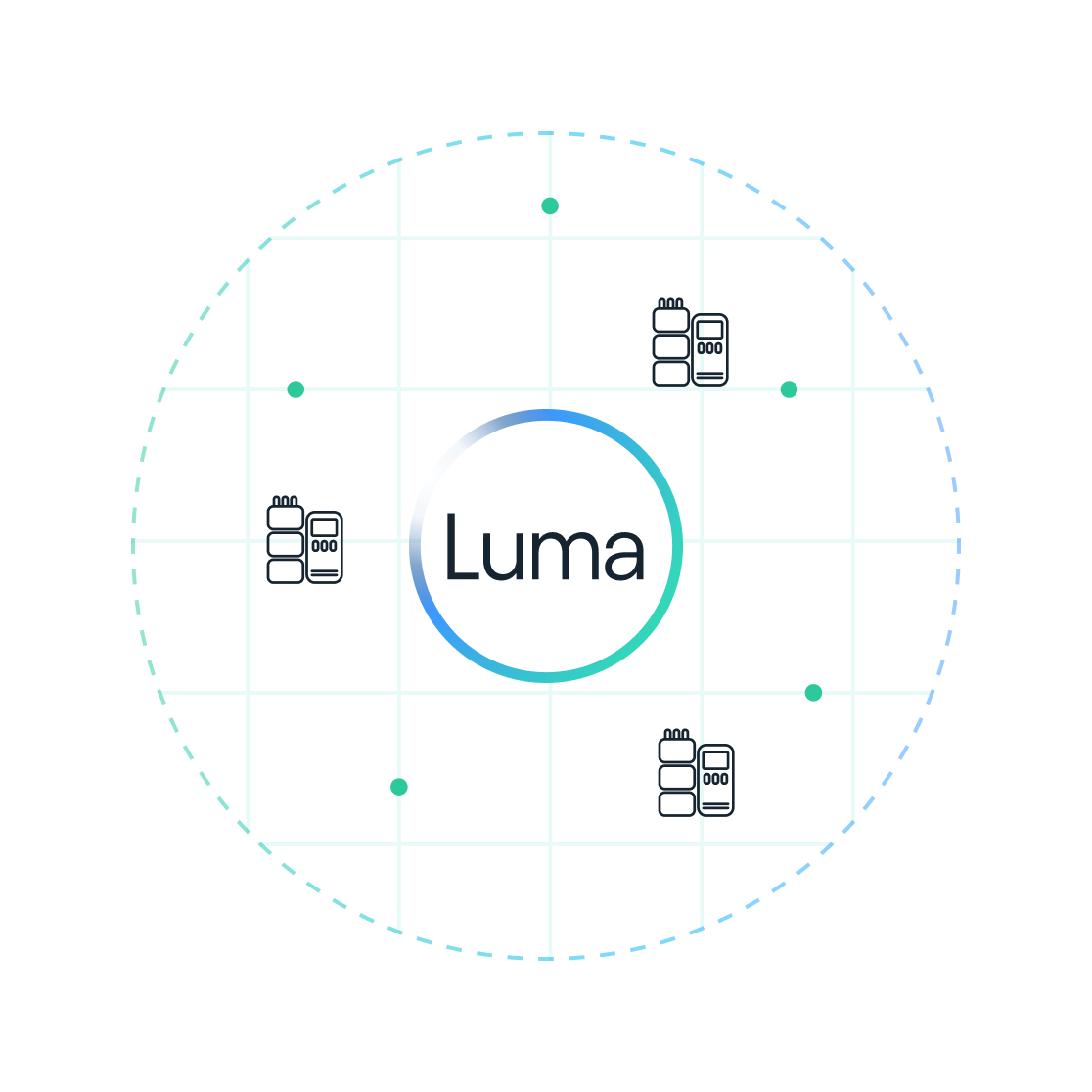
One interface spanning every instrument vendor and CDS in your lab, without replacing any of them.

Trending without manual export
Continuous ingestion surfaces trends automatically. No scheduled exports, no spreadsheets.

AI-ready, historically complete data
Harmonized and structured data, with metadata and preserved context, ready for AI and analytics.

Data out to ELN, LIMS, and asset management
Luma feeds harmonized chromatography data into the systems your teams already use.


Fluent in the details
Where a unified chromatography lab catches what others miss
A few specific examples of what changes in your lab
Retention time drift, caught early
Flags shifts across runs, columns, or instruments before they become an out-of-spec result.
Peak shape, checked on every run
Flags shifts across runs, columns, or instruments before they become an out-of-spec result.
Purity, beyond a single peak
Flags shifts across runs, columns, or instruments before they become an out-of-spec result.
The same integration logic, every time
Flags shifts across runs, columns, or instruments before they become an out-of-spec result.
NO SEPARATE AI PROJECT
Harmonization delivers AI-readiness
Once your chromatography data is harmonized, you can already trend across instruments and compare purity across projects without a manual export. That same structure, consistent format, preserved metadata, complete run history, is exactly what an AI model needs to make sense of your data. You've already done the work that matters.

In the lab
A typical chromatography workflow

Step 1: Design
In Dotmatics ELN

Step 2: Acquire
Through the scheduling software you already use

Step 3: Harmonize
Luma converts every vendor's format into one

Step 4: Use
Visualize and trend inside Luma

Step 5: Go deeper
Automate the read itself with Virscidian or Protein Metrics

Step 6: Connect further
Feed results into your broader ecosystem


Scale it your way
From your first instrument to a fully orchestrated lab
Start
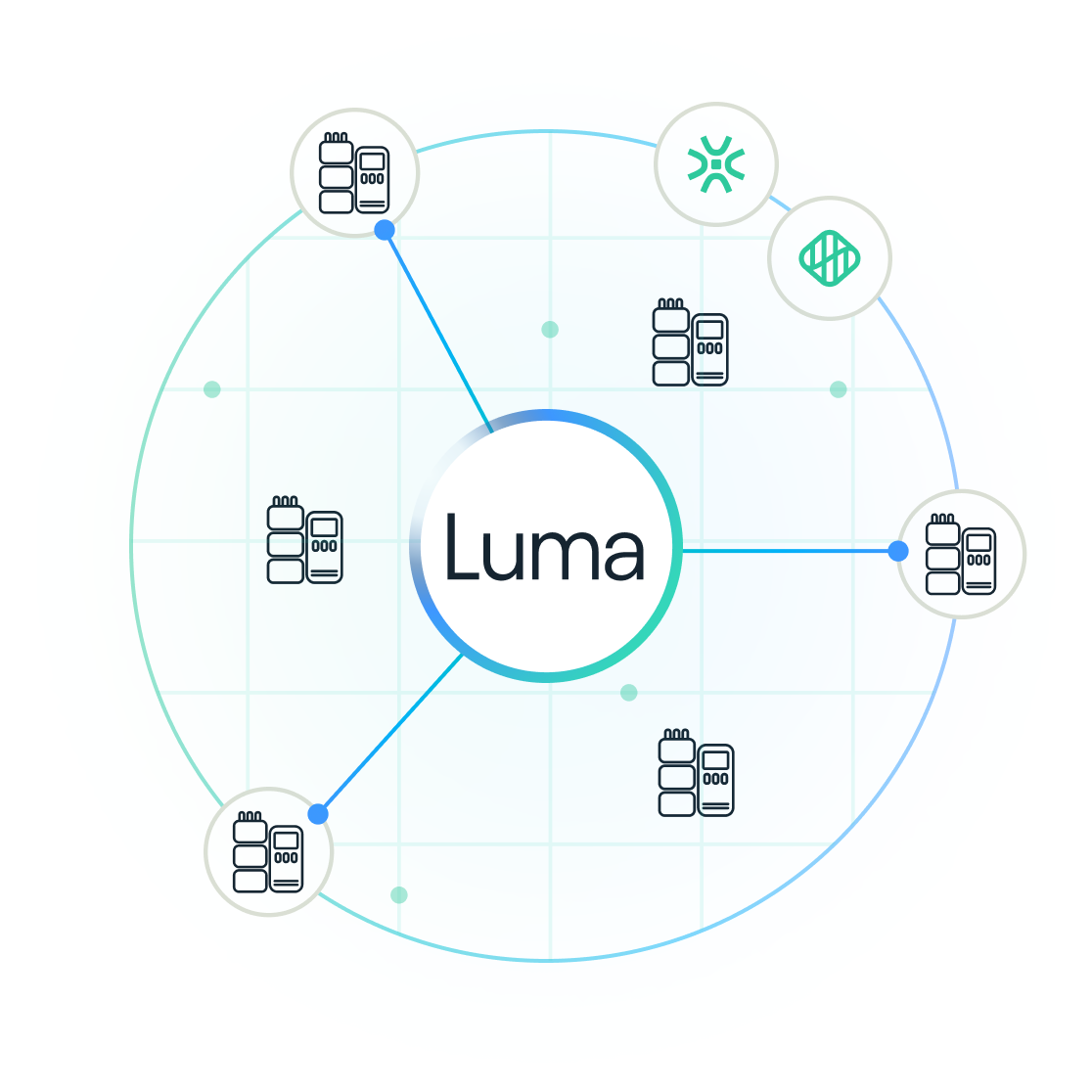
Standardize on one instrument type, any vendor
Even under 10 instruments provides full harmonization, trending, and governance from day one. Open the door to connectivity in chromatography. Virscidian and Protein Metrics are available here too.
Scale
Add instruments, vendors, teams, or sites
Same unified layer, now at real throughput, hundreds of instruments strong. Deepen the connectivity thread.
Go All In
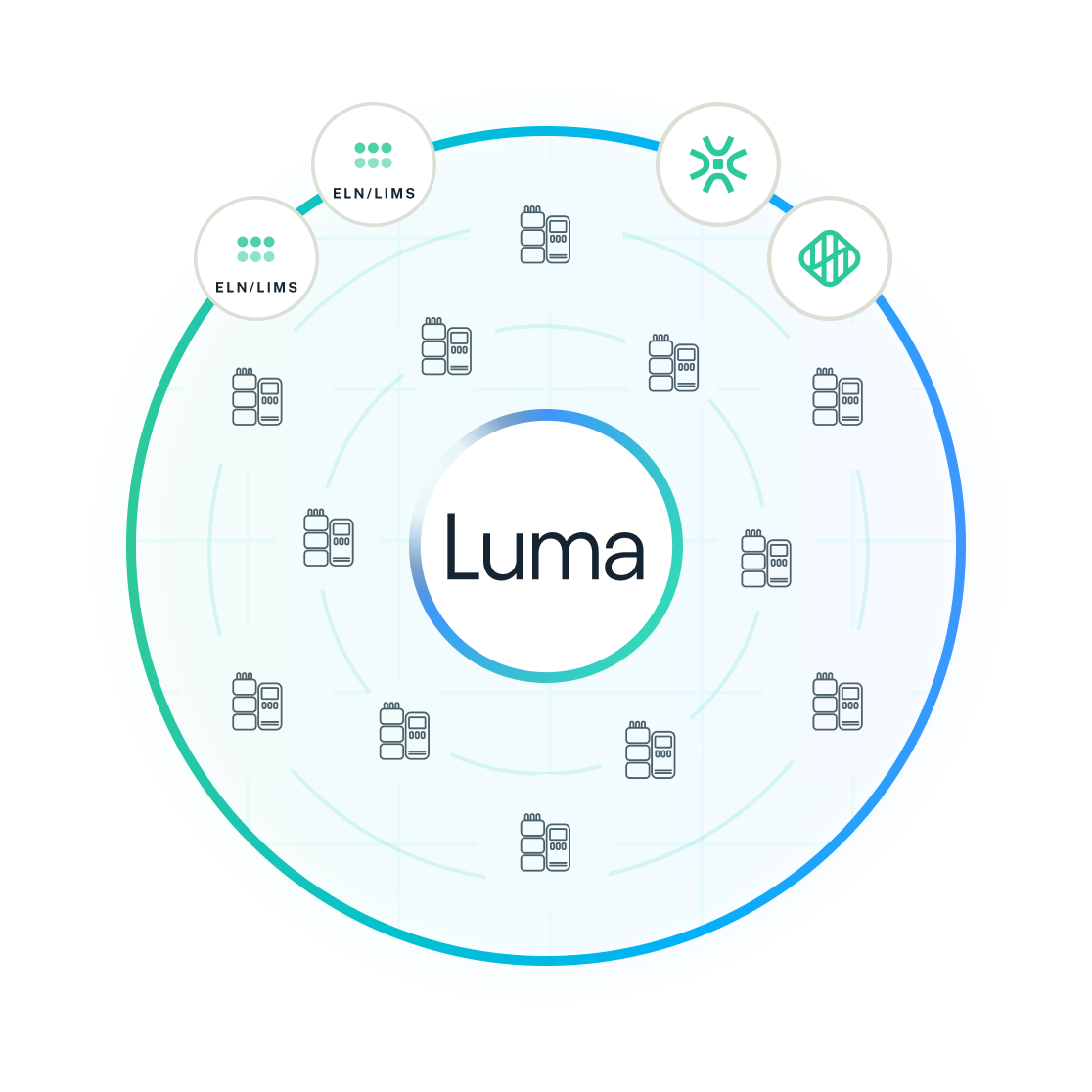
Thousands of instruments, full campus, real time
Layer in Virscidian or Protein Metrics to automate the read itself. Maximize for throughput and run a fully orchestrated lab.
Every seat at the table
Three roles, one shared problem

Lab and automation leaders
"We have thousands of instruments and no unified view of the data they produce."
Luma connects instrument fleets in phases, without disrupting operations already underway.

Bench scientists
"Why do I need three different tools just to compare purity across projects?"
Automated ingestion means results show up where scientists already work, no manual export required.

IT and informatics leaders
"How do we connect new instruments without months of custom integration work, every time?"
More than 100 prebuilt parsers connect new instrument types without dedicated development work.


Fragmented to unified to scaled
These aren't projections. They're outcomes reported by research organizations across pharmaceutical, biotech, and agrochemical industries after switching from legacy or siloed systems to the Dotmatics platform.
Proof from the field
A phased rollout starting with roughly 1,000 LC-MS instruments, with expansion toward full campus, real-time coverage. No exports. No spreadsheets. Just harmonized, AI-ready data.
- 3+CDS systems, one unified view
- 4Vendors
- 5K+instruments
Our Approach
We meet you where you are
Some labs want a few strides forward: digitize, connect the dots, automate the parts that eat the most time. Others want the whole path: fully connected, fully harmonized, orchestrated end to end. Luma is built for the entire spectrum of your scientific journey. The same unified layer works whether you're harmonizing under 10 instruments or running a full campus.
We start by listening: your workflow, your application area, and your resources. Then we build on Luma's foundation toward what you need now, with room to layer in deeper analysis or a broader connected ecosystem whenever you're ready for it.

Why trust us
A better future takes a partner you can count on

Backed by Siemens and supporting 2M scientists
Luma is part of the Dotmatics ecosystem, built on the solid foundation that scientists trust

Enterprise ready and production-scale today
Chromatography harmonization as part of an open ecosystem with the tools you already use today




Next Steps
Talk with a Dotmatics Representative
Get in touch with our team to see the Dotmatics Luma R&D data management platform in action.